Archive for the 'A900' Category

Create your own bargain on a dSLR this Christmas

Wednesday, December 3rd, 2008
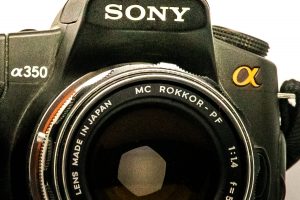
Sony Alpha A350 dSLR camera

DSLRs are technological wonders, but they don’t have to wreck your budget.

Dec 3, 2008: Christmas is the time of the year when digital SLR sales typically ramp up. Of course this year is anything but typical. The state of economy, at least in the US, is on most people’s minds. Many prospective dSLR owners are tightening their belts and holding off buying that new camera, lens or flash unit. I would never suggest spending money you don’t have on photo gear, unless you earn most or all of your income from photography. If you are a hobbyist, you may need to retrench and put off major purchases until the economy improves.

DSLR photography will always involve a substantial outlay of cash; that is the nature of the beast. You can’t eliminate that cost, but with a little creative planning, you can reduce it. If budget constraints are forcing you to postpone that new dSLR or lens purchase, these suggestions might help you stretch your photography dollars.

Choose a lower-price camera body

There is a famous old saying: “…if wishes were cameras, then we would all be shooting with the A900..” Or something like that.

If you have A900 tastes, but your budget is more along the lines of the A200, there is nothing to be ashamed of. The Sony Alpha A200 or A300 can produce excellent images, and both cameras offer a wealth of features. Don’t be afraid to start out with one of the less expensive models. Most professional photographers, if they are on a budget, will opt to cut corners on the camera so they have money to spend on what really matters: high quality lenses. A great lens on a inexpensive camera can create wonderful images, but even the best camera cannot overcome an unsharp lens.

If you are one of those people who only buy the best so it will last, remember the digital SLR market is still evolving. Only a few years ago, most professional dSLRs were 6 megapixel, APS-C sensor models. Today, full frame, 20+ megapixel dSLRs like the A900 are blurring the distinction between portable single lens reflex cameras and medium-format studio units. Live-view and video capabilities will soon be considered mandatory on any dSLR.

Today’s full-featured camera will undoubtedly fall short of the cameras of the near future. Don’t put off purchasing a camera while you save for a top-of-the-line model. Buy a dSLR that you can afford now and work hard to create great images.

Consider buying used equipment

Buying a used dSLR is an iffy proposition. I have bought two used high-end digital cameras that have worked flawlessly. That said, dSLRs are packed with miniaturized electronics and are sensitive to moisture, dirt, cold and heat. Problems can hide unseen inside the camera for weeks or months before they show up. Unless you know the seller and the history of the camera, I would be leery of buying a used dSLR unless it came with an ironclad warranty.

You can still save money with used equipment, however. Second-hand lenses, flash units and accessories offer a much safer opportunity to save cash. Do your homework and make sure you know what to look for in a used item. You can often save more than 50% by buying used.

Try your local pawn shop

Online auctions and used camera stores are popular places to seek pre-owned camera gear, but don’t overlook your neighborhood pawn shop. You can often find great deals, especially if you know what to look for. Pawn shops are no longer shady enterprises hiding out on the outskirts of town. Pawn shops have moved into the mainstream and now serve a respectable clientele. Pawn shops offer several advantages when buying used equipment. Unlike an online auction, you can actually see and handle the item before you buy. Even better, many reputable pawn shops will offer you a 24-48 hour trial. These shops will allow you to use and return an item within a certain period of time if it doesn’t perform correctly.

Rent camera equipment that won’t be used often

You might be surprised to discover that many pro photographers rent most or all of their equipment. A pro needs to consider the ROI (return on investment) of every piece of gear. If an item will be used infrequently, it is much better to rent it when needed, rather than drop a bundle of cash on something that will sit on the shelf most of the time.

You can use the same technique, even if you are just starting out. Short term (daily or weekly) rental prices can be quite affordable, even for high-quality lenses and flash units. Some rental operations rent camera bodies, so you don’t even need to actually own a dSLR to start taking great images. In addition to saving money, renting is a great way to preview a piece of equipment you are thinking of buying. Spend a week with an expensive lens or camera before you buy. You could save yourself from making an expensive purchase you later regret.

Until recently, it was difficult to find places prepared to rent Sony/Minolta dSLR gear. Alpha Lens Rental in Minnesota offers a very good selection of A-mount lens and equipment. They even have the Sony Alpha A900 (Yes the one with 24.5 mega-pixels) available for rental. They will Fed-Ex to your location within the USA. Hopefully, we will see more A-Mount lens rental operations in the near future.

Skimp on accessories, not the camera and lens

There are some things you shouldn’t compromise on, such as lenses. There are many other items that could offer temporary savings. It is nice to own a top-of-the-line camera bag, but the type of bag you use will not have any effect on your images. Make do with a padded cooler or gym bag until you can afford the real thing. You can shoot wonderful images with inexpensive “clamp-on” lights from the hardware. You can find free plans online for DIY light modifiers and camera stands.

Use your creativity and you will find many household items that can be pressed into service in place of higher priced photo gear.

Save money with manual lenses and flash units

While I don’t recommend wasting money on cheap lenses, my concern is with lenses that cannot produce sharp images. Don’t overlook the wide variety of manual aperture, manual focus lenses on the market. Some of these lenses have wonderful optics, but they sell for far less than a fully automatic lens of similar length and aperture.

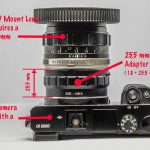
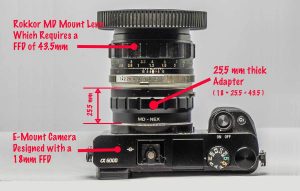
You can find millions of very good M42 and T-mount lenses on the used market, some selling for only a few dollars. You will need an inexpensive adapter to mount them on your Sony Alpha dSLR, but if you choose wisely you can find some razor sharp bargains. They will require additional work on your part, but they will force you to develop your photography skills. You won’t be able to rely on your camera’s automatic settings with this equipment. Still, a few weeks of shooting with a manual lens will develop skills and techniques it would take years to learn shooting in the program mode.

How about it? Anyone else have suggestions for reducing the high cost of entering the dSLR market?

Technorati Tags


Hi! If you're new here, you may want to subscribe to my RSS feed. You can also sign up to receive e-Mail updates from the homepage at http://alphatracks.com Thanks for visiting!

Alpha radio flash trigger: when will Sony offer one?

Thursday, November 6th, 2008
Closeup: Sony Alpha A900 hot shoe.

The Sony Alpha hot shoe is the best in the business…but where is the radio trigger to fit it?

Nov. 6, 2008 Last time I discussed the A900’s lack of a popup flash and the need for a $500 HLV-F58AM flash unit if you want to trigger the Sony Alpha wireless flash system. The hope is that Sony may offer another method to wirelessly trigger remote flash units with the A900.

Sony could offer some sort of less expensive optical trigger, which would be capable of serving as a master for the Sony wireless system. But why optical? True, the Sony wireless system, derived from the original Minolta optical wireless system, is excellent. Maybe more than excellent. But optical flash systems have limits, which is why most top pros choose wireless radio triggers.

Radio triggers work at longer distances, don’t need to be in line of sight of the camera and work reliably in brightly lighted conditions.

Unfortunately, as as far as I am aware, there are no radio triggers that will attach directly to the Sony Alpha flash shoe. Nor are there receivers designed to attach directly to any of the Sony or Minolta dedicated flash units that are fully compatible with the Alpha dSLRs.

No radio trigger for the Sony hot shoe?

Most(all?) of the radio triggers on the market are designed to attach to the standard, old-style hot shoe employed by the majority of cameras not manufactured by Sony. The receivers either attach to the foot of the older style flash shoe, or plug into the old-style PC sync port. That leaves Sony Alpha users out of luck, unless they attempt to cobble up a home-brew solution utilizing adapters. Setting up a radio trigger system with adapters isn’t rocket-science and I always encourage users to experiment with modding their gear. Still, it is disappointing that no “off-the-shelf” radio trigger is available for the Alpha.

Am I the only one who is flummoxed that Sony hasn’t stepped up to address this deficiency? I mean, this is Sony we are talking about. How many radio engineers do they have on their payroll? They may not be the be-all and end-all when it comes to radio technology, but they come pretty close. Walkman personal stereos, clock radios, component stereo equipment, car receivers, boom boxes, cordless phones… you name a piece of radio equipment; and Sony has probably produced a version of it.

Except, of course, radio triggers to accompany their line of Alpha dSLRs.

It’s not that there isn’t a market out there. The A100 was said to sell 360+ thousand units in the six months it was available in 2006. I don’t have exact sales figures for 2007, but with an entire 12 months to work with and the introduction of the outstanding A700, I have to believe the numbers well exceeded 2006. We are still in 2008, of course, so figures aren’t available, but with the A200, A300, A350 and A900 all joining the A700, it wouldn’t be surprising if Sony dSLR sales easily exceeded both 2006 and 2007 combined. That is a lot of Alphas.

Then there are the Minolta Maxxum dSLRs. The Maxxum 5D and 7D sold well and most of them are still in service. Minolta also sold truck-loads of the non-dSLR Dimage 7 variants, which begat the similar Konica-Minolta Electronic Viewfinder (EVF) cameras; the A1, A2 And A200 (not to be confused with the Sony A200). These units share the same hot shoe and flash circuitry as the Minolta Maxxums, making them fully compatible with the latest flash units from Sony.

There are still millions of Maxxum film cameras hanging around. Film may be all but dead, but the Maxxum 9 film SLRS are still trading for well over $100 - $600 on ebay. Maybe those are being bought by collectors, but I have to believe at least some photographers are buying those used film SLRs to use, not sit in a display case.

Of course, not all of the owners of those millions of cameras are potential flash trigger buyers. Some photographers never use flash, especially off-camera flash. Others are satisfied with the current optical wireless flash available with the dedicated Sony flash units. Still others will fire their off-camera flash with sync cords, or use adapters to use standard radio wireless flash.

Even so, there are have to be a good percentage of users who would be eager to add a Sony brand wireless trigger on their Alpha or Minolta cameras. And don’t forget, Sony is in this dSLR thing for the long-haul. Which means millions more Alpha cameras will appear in the future. How many of those new Alpha owners will be looking for a radio trigger solution?

Radio flash triggers — why aren’t there any to fit the Sony Alpha?

Sooner or later, someone has to step up to the plate and offer a comprehensive radio trigger solution for the Alpha series. I don’t really care who it is…if the PocketWizard folks or Metz, Bowens, Quantum, MicroSync or someone else comes forward with a reliable solution, I would be happy.

But consider Sony’s clear advantages in this area.

In addition to the radio engineering experience I alluded to earlier, Sony owns all the specs, the pin-outs and the internal technology of the Alpha system. The third-party makers have to disassemble off-the-shelf cameras and flashes to determine this information, and they have to hope they don’t miss something significant.

Sony also has access to all the special components: flash shoes, dedicated sync connectors, etc. If you are a third-party vendor, you have manufacture your own components, since you can’t just order a package of components from a supplier somewhere.

Finally, Sony has a huge built-in advantage in brand recognition. When the third-party makers create a radio trigger for the old style flash shoe, they can sell the same basic unit to Canon, Nikon, Pentax and other shooters. If Nikon or Canon were to develop their own trigger, the third party vendors would still have plenty of other customers. If they develop an Alpha shoe radio trigger, the only people they can sell it to are Sony (and Minolta) shooters. That is fine…unless Sony steps up with their own branded solution.

Could any radio trigger maker compete with Sony?

If Sony enters the fray, how does a third-party trigger maker compete in the Alpha arena? Sony’s Alpha components are generally excellent, so you probably won’t be able to beat Sony on quality or performance.

Sony will probably also beat the third-party makers on appearance. True, the look of a radio trigger device has no impact on it’s performance, but you can’t argue that a trigger with a matching finish and a big orange Alpha logo won’t be more appealing to the majority of Alpha shooters.

That leaves price as the only way a third-party maker could compete against Sony. But here Sony holds all the cards. Sony generally prices their stuff on the high side, but if they wanted to compete against a third-party interloper. all they have to do is come in somewhere close to the other guy’s list price.

I don’t have any hard figures, but I would guess that if most Alpha users had their choice, they would buy a Sony brand trigger, even it it was ten or twenty dollars more expensive. Even if the Sony product was thirty or forty dollars more, Sony would probably still outsell it’s competitors. To compete against Sony in the radio trigger arena, you would probably have to price your trigger at least $50 less than Sony.

Sony, of course, is in the driver’s seat. They could bring their mythical product in at a price point where no high-quality aftermarket trigger could compete.

Of course, this is simply my own musing. I have no idea if or when Sony will offer an Alpha radio trigger. I don’t know if any of the third-party makers are really taking a look at offering a dedicated Alpha radio trigger.

Interestingly enough, two separate Alphatracks readers: Paulo Rodrigues and a reader named Dave, commented on my earlier post to explain how they rigged up a wireless radio flash system for the Alpha hot shoe. You can see their DIY flash trigger notes here. I have been considering an attempt at something similar. If I do, I will do a full report on Alphatracks.

I am convinced that the market is there and the A900, with it’s lack of a built-in optical trigger, creates a real need for this sort of product. Sooner or later, someone has to address the need.

Are you listening, Sony?

Technorati Tags


Alphatracks

Sony A900: How will you trigger your wireless optical flash?

Tuesday, November 4th, 2008
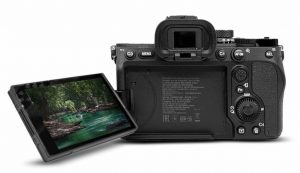
The Sony Alpha A900 is a pro level camera, but needs accessories to work with wireless flash.

Will Sony provide a way to trigger the wireless optical flash system other than with the HLV-F58AM?

Nov. 4, 2008: At long last, the A900 is starting to wind its way into the hands of eager photographers and it looks to be every bit as sweet a camera as we hoped. Of course it is hard to miss with a 24.6mp full frame dSLR, but it appears that Sony has exceeded most people’s expectations.

There are plenty of other sites discussing the A900, and I will be offering up my 2 cents as well. Today, however, I want to talk about options for triggering a remote flash with the A900.

This post came about because, as expected, the new A900 doesn’t not have a popup flash. Not a big concern, as the top level dSLRs from other makers don’t include a popup flash either. Pros seldom, if ever use flash units located directly above the lens axis, so why design a pro-level camera with a popup that will never be used? Besides, the flash might not fit so well with the A900’s impressive looking pentaprism.

There is just one fly in the ointment. All the past Sony dSLRs, as well as the dSLRs from Minolta were equipped with a popup flash. All these cameras use the popup as a trigger for the Sony/Minolta wireless flash system. It is a good thing those cameras had the popup, because until recently, the popup was the only way to trigger the wireless flash system. Some of the older external Minolta flashes could act as trigger for other flash units in the wireless mode, but that only worked with film cameras. In the dSLR arena, the only trigger for Sony or Minolta wireless flash units was with the built in flash. Which as I already mentioned; the A900 is lacking..

Fear not, the A900 supports wireless flash, when equipped with the brand new HLV-F58-AM flash unit. The 58AM can serve as a flash trigger for any flash in the Sony Alpha system.

The HLV-F58AM lists just south of $500, and since it is brand spanking new, you will probably have to pay the full sticker if you want the privilege of using wireless flash with your new A900.

That isn’t to say the HLV-F58AM isn’t worth the price, but who wants to shell out all that cash just to use that top-of-line flash unit as a lowly flash trigger?

Consider the poor guy who already has a collection of Sony and Minolta D series flash units. To use them wirelessly, he has to buy yet another flash unit. The kicker is the F58AM specs make it hands-down the best flash available for the Sony Alpha. If you use it a s a flash trigger, however, you don'’t get the benefits of all that power and multi-jointed flexibility. With the Sony wireless system, if you use the trigger to fire two or more remote flashes, the trigger fires before the exposure so that the trigger’s light doesn’t spoil the lighting setup. That’’s all well and good, however, it means if you buy a HLV-F58AM to trigger multiple wireless flashes from your A900, your newest and very best flash can’t be used to light the scene. it can only be used as a trigger. Unless you are sufficiently well healed to be in a position to acquire an A900 and multiple copies of the F58AM.

Now I fully expect to hear from someone pointing out that: “If you can afford a new A900, I guess you have enough cash to add a F5AM or two.”

That isn’t how it works in real life. Sure, there will be some people who have a fat enough wallet that they can afford three A900s; one for the summer house, one for the winter house and another one to use while traveling between the two. But there are many shooters who have to scrimp and save to snare a copy of a A900, For these photographers, digging up another half-grand for a flash trigger represents somewhat of a hardship.

Of course pro photographers can shell out for any piece of equipment they need, right? In reality, pros have to watch their expenses just like anyone else. There is an old joke that “only wealthy amateurs can afford pro photography equipment.” It is simplistic statement, but there is more than a grain of truth there. Working professionals have a whole raft of stuff to spend their cash on. In addition to cameras and lenses, there are any number of things like computers, software, marketing, studio rent, lighting equipment and much more that can eat up the budget. What’s another five bills on top of that overhead? For some pros, it’s a lot.

It is possible that Sony could offer develop some optional, less-expensive way to trigger the wireless flash system, but for the moment it appears its the HLV-58AM or nothing.

Hmm… maybe there is another option. That will be the topic of my next post….

Technorati Tags:


Who is that guy?


Web designer and photographer Tom Bonner has three decades of experience with Minolta camera equipment

Hi. I'm Tom Bonner and I am the author of the Sony Alpha DSLR-A300/A350 Digital Field Guide, published by Wiley Publishing. I've been shooting with Minolta SLRs for over three decades.

Alphatracks is my attempt to follow Sony's maneuvers in the dSLR market, and at the same time provide a resource for Minolta film and digital SLR users. A-mount shooters have to watch each other's backs, because there aren't as many of us. At least not yet....


Bad Behavior has blocked 879 access attempts in the last 7 days.

Close
E-mail It